

Our Mission:
Improve health and housing outcomes for people experiencing homelessness using occupational therapy to facilitate the journey from street to sustained housing.
Our Vision:
A world where everyone has the opportunity and resources to live life as they choose with a home environment of safety and dignity.
We follow you throughout the Transition to Housing:
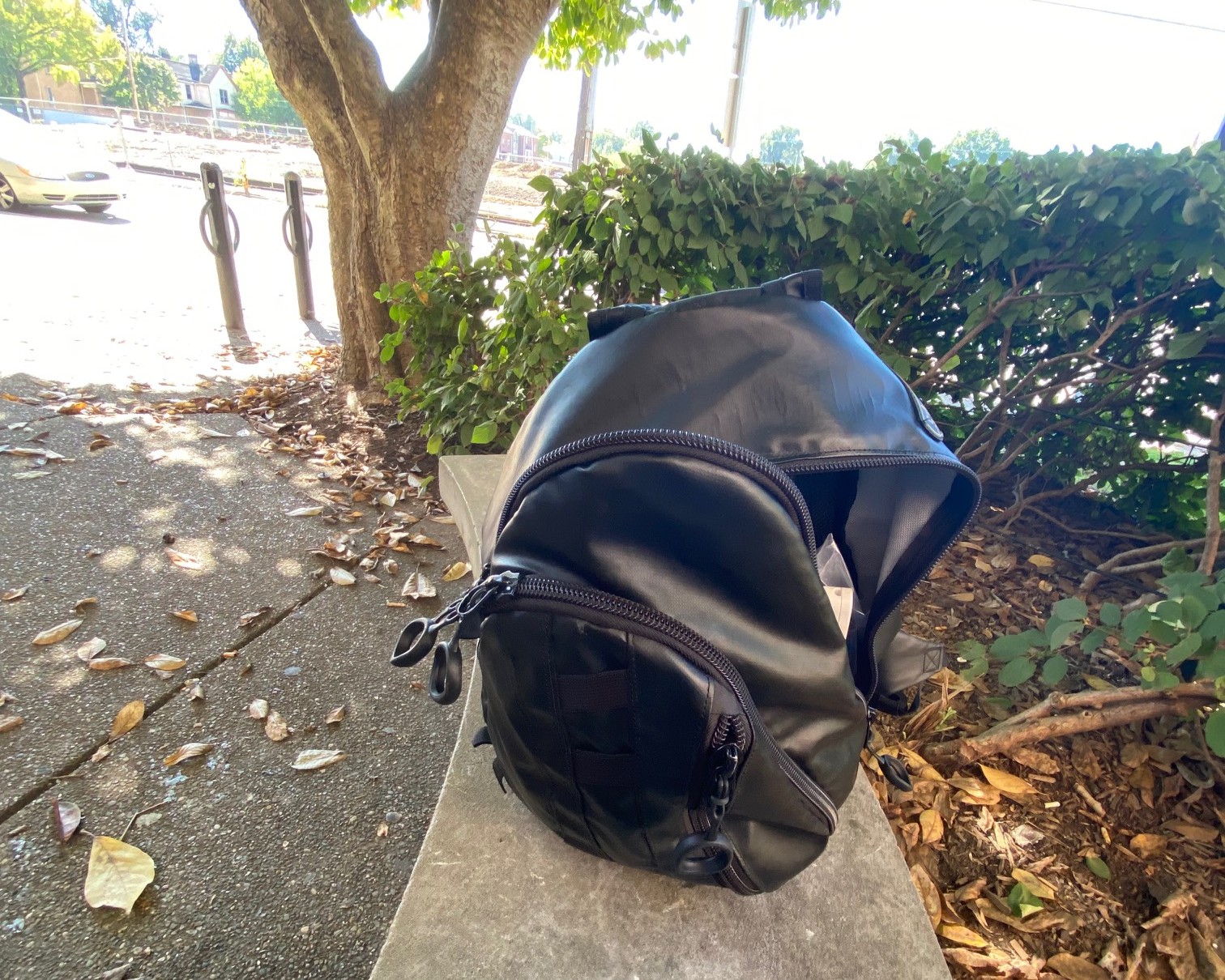
Survival
This is what comes to mind when most people think of homelessness: meeting basic survival needs such as food, clothing, shelter, safety, and urgent health needs.
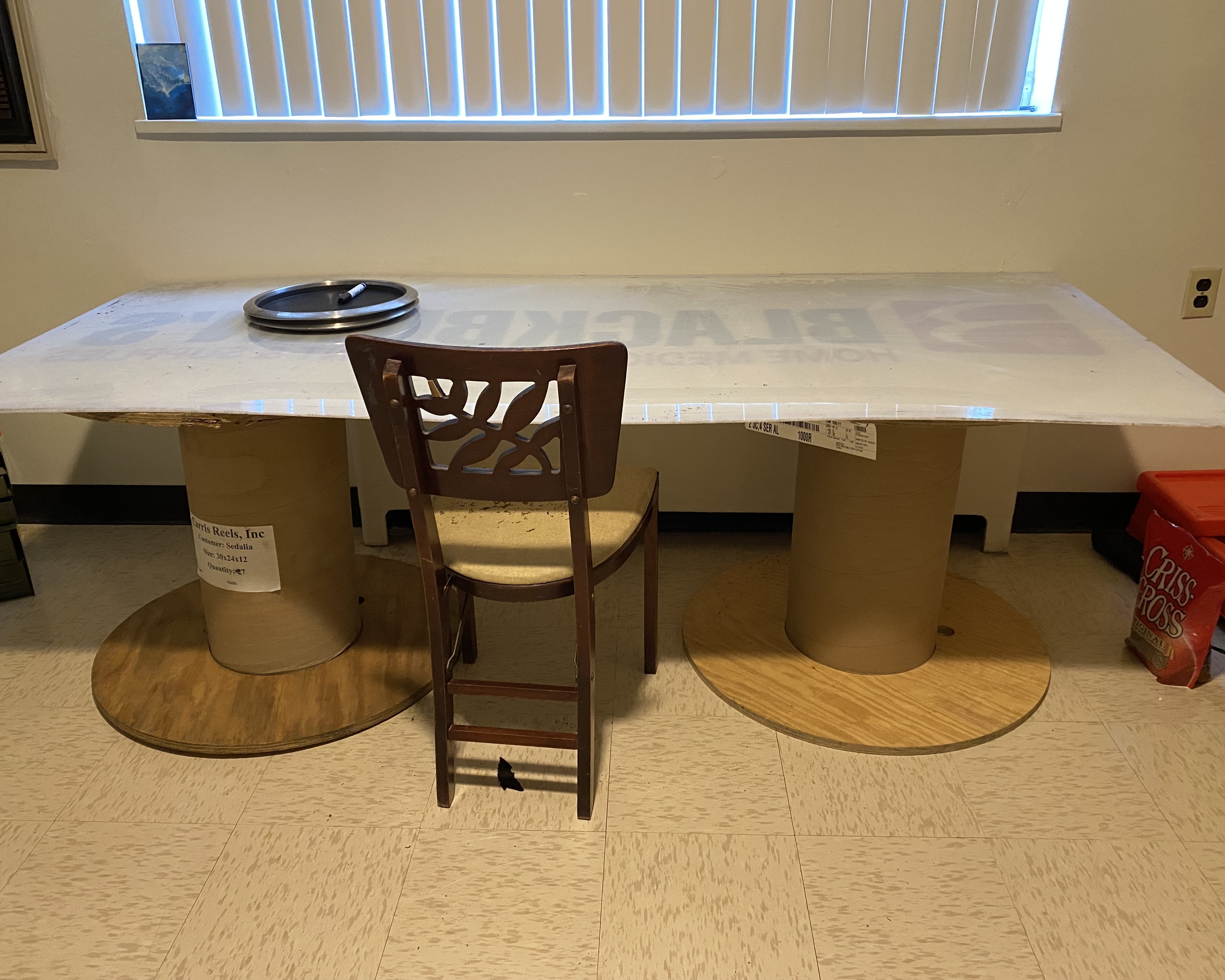
Adaptation
After the initial move into housing after living in a shelter, in encampments or on the street. Fulfilling new responsibilities, learning new neighborhoods, people, or resources, (re)learning life skills, addressing health issues that were unmet when just trying to survive.

Integration
Integration comes with maintaining stability in housing. This often includes developing meaningful routines and activities that contributes to your identity and life goals, (re)connecting with social supports and a sense of community, and long-term recovery or management of physical and mental health conditions.

Occupational Therapy
Occupational therapy (OT) is “doing” therapy to help you do the things that occupy your life.
Occupational therapists are experts at figuring out what is making it difficult to do what you want to do, then collaboratively creating personalized solutions together.
We ask questions to learn about your goals and interests, then work together to problem-solve strategies, skills, routines, or equipment to achieve your goals.
+ Life skills like cleaning, budgeting, shopping, cooking
+ Thinking and memory strategies to manage schedules
+ Ways to manage chronic pain, fatigue, or health conditions
+ Tools or strategies to adapt difficult daily tasks
+ Learning to navigate new neighborhoods
+ Setting goals and working towards them
+ Finding activities, hobbies, and communities that give you purpose and meaning
+ Referral to other resources for long-term support